Braised Chicken with Red Wine & Mushrooms Over Creamy Polenta
Mick Jagger said “Time is on my side.” But I sure never felt that way back when Bart and I were working. Arriving home at 6:00 after a busy day, the idea of spending 2 hours prepping, cooking and then cleaning up, propelled us into the world of take-out food and prepared frozen meals. The truth is what we really wanted was wholesome food, tasty and satisfying, made in our own kitchen. Even now we are not always up for cooking a big meal, but we still want satisfying food. Today there are lots of “dinner in 30 minutes” and “quick cook” blogs, cookbooks, and TV shows out there, but few of them deliver on the promise.
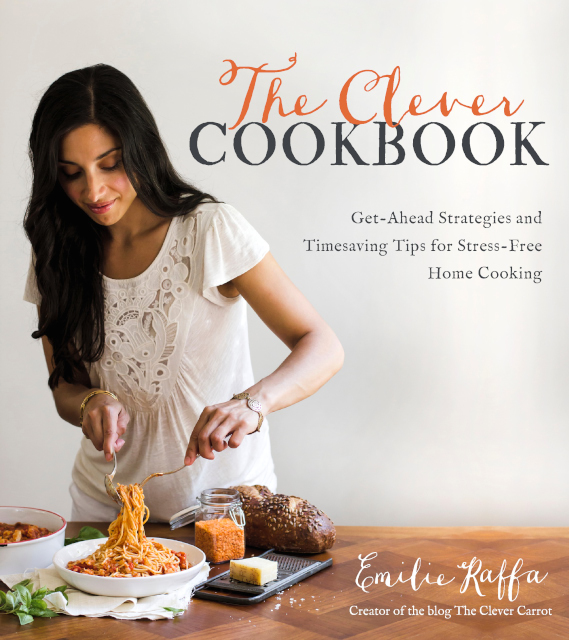
 Emilie Raffa of the website, The Clever Carrot does deliver. Her food is fresh and unerringly satisfying, and best of all it is unfussy, easy to do, and utterly appealing. Plus, it is good for you. Lots of whole grains. Lots of veggies. Loads of healthy protein. This food satisfies body and soul, and does it quickly, much of it ahead, and with no hassle. Emilie’s first book, The Clever Cookbook, is packed with do-ahead tips, recipes, and techniques that will enable you to put meals together fast. That’s because Emilie knows how to cook smart. A graduate of The International Culinary Center, her tips, techniques, and recipes will keep you ahead of the game.
I’m happy to say Emilie has offered a copy of her book to give to one lucky winner. For a chance to win, please leave a comment telling me your favorite weeknight dinner. The contest will close at 11:59 pm on February 27, 2016. Entrants must have a United States shipping address and be over 18 years of age. Click here for full contest details. Buona fortuna!
We have a winner!
The winner is Denise M
Congratulazioni, Denise M, The Clever Cookbook from Emilie Raffa is on its way!
The contest is now closed.
Your comments are still welcome.
Look to her Back to Basics chapter for how to make Triple-Duty Chicken Stock. Once you’ve mastered that you are ready for Speedy Chicken Soup and best of all, Emilie’s No-Stir Risotto. Yes, the days of being chained to the stove stirring the risotto are over. Put the lid on the pot, slide it into the oven, and wonder of wonders, in 45 minutes you’ve got great risotto.
Emilie is all about time-saving ideas. Just look at the produce section in any supermarket. There are boxes and boxes of pre-cut vegetables. I know it’s tempting to buy them, but it’s just as easy, and much more economical to do it yourself, and you’ll find plenty of suggestions for how to use your stash. Pre-chopped onions and celery make 30-Minute Broccoli and Feta Soup a snap. Ditto for Emilie’s Spring Tortellini Minestrone and Easy Chunky Vegetable Soup. Add these to your repertoire and you are always ready for lunch or dinner.
Try the One-Pot Creamy Orzo with Asparagus for a unique take on the pasta that looks like rice. Cooked in a relatively small amount of Triple-Duty Chicken Stock, the orzo sheds its starch, creating a creamy liquid akin to a risotto. Pancetta and garlic flavor the dish, and asparagus adds a bit of bite and satisfying green veggie taste. Topped with Parmigiano and black pepper, and enriched with a knob of butter, this one will satisfy the entire family or the fussiest dinner guest. Guaranteed.
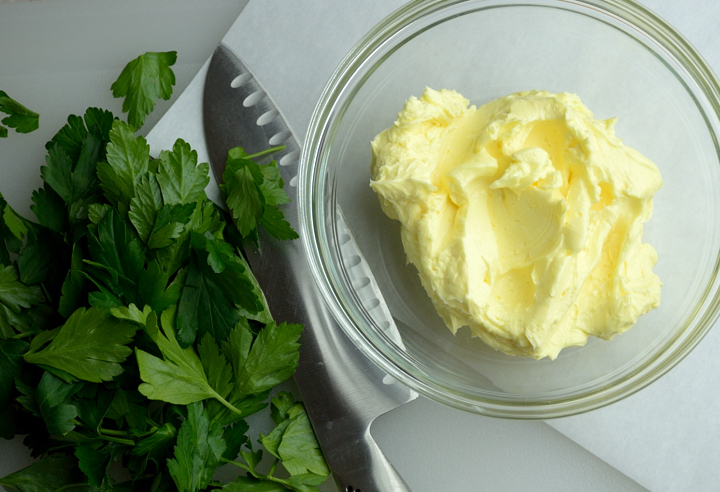
The chapter on Compound Butters introduces the reader to savory Garlic Butter and sweet Cinnamon Sugar Butter.
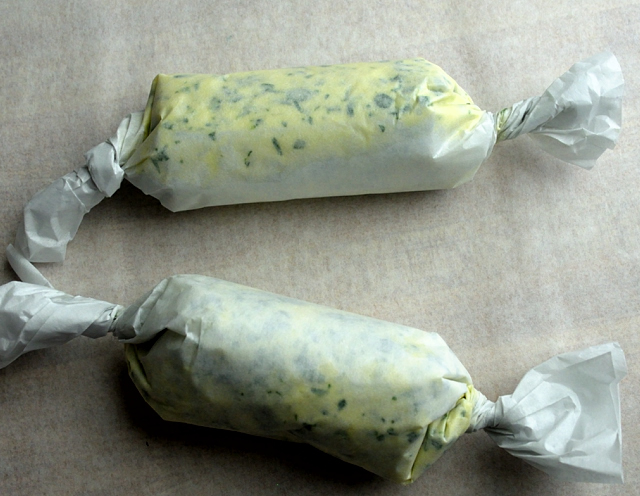
With both on hand (they keep beautifully in the freezer) you are ready for almost anything.
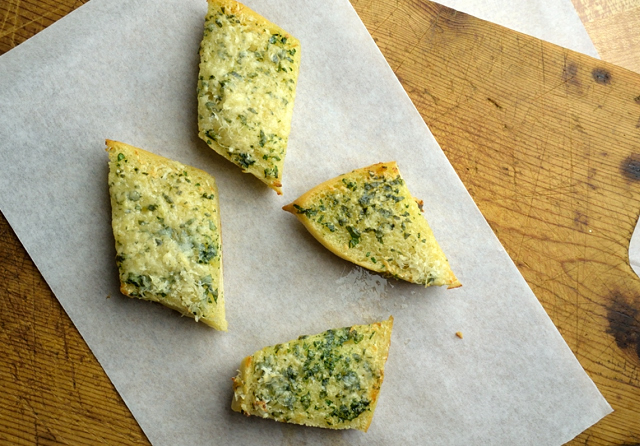
Use the Garlic Butter for garlic bread or add it to roasted asparagus for a flavor boost. Toss it with pasta, basil and roasted tomatoes for a rapid weeknight dinner. Combine it with angel hair pasta along with anchovies, parsley, and red pepper flakes for a buttery take on an Italian classic. Use the Cinnamon Butter to make 5-Minute Skillet Granola or tasty Convenient Crumbles. The possibilities are endless.
Everyday Spice Blend, a combination of coarse salt, garlic powder, sweet smoked paprika, and ground coriander, flavors her Skillet Stuffed Chicken with Spinach and Ricotta, Sheet Pan Fish & Chips, Warm Sweet Potato Salad with Bacon & Goat Cheese, and many other dishes. Again, the do-ahead theory gets you ahead of the game, making it easy to put together fast, flavorful meals.
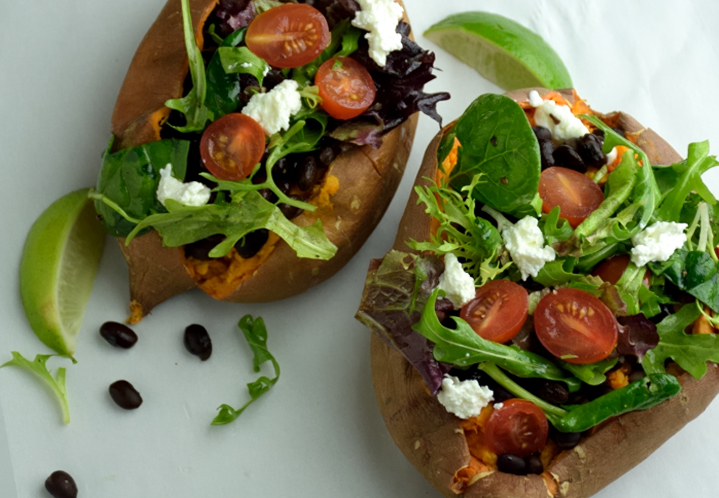
For scrumptious and quick vegetarian fare, try the Speedy Salad-Stuffed Sweet Potatoes. A microwaved sweet potato, split open and filled with cooked black beans, a mix of baby greens and tiny tomatoes tossed with olive oil, lime juice, and salt and pepper makes a deliciously satisfying dinner. With little prep and even less clean-up, this one’s a weeknight winner.
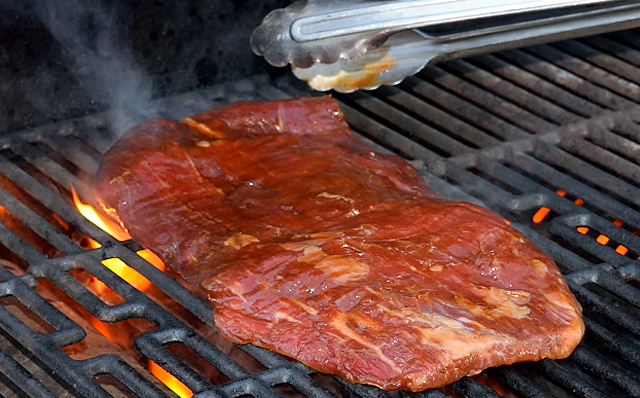
Innovative freezer marinades – yes, they really work. Put the meat into a plastic bag, add the marinade, and freeze it all, removing the meat, as needed. During the freezing process, and again during the defrost periods, the marinade works its way into the meat, filling it with flavor. It’s simple to do, and it tastes great.

The Sweet & Savory Soy Grilled Flank Steak uses this freezer marinade method, and it produces a remarkably succulent and flavorful flank steak, another weeknight favorite.
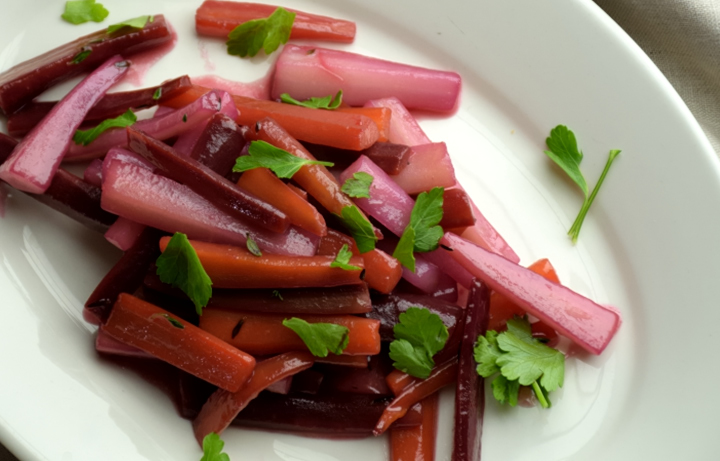
If it’s vegetables you are after, there are plenty from which to choose. Try the Rainbow Braised Carrots. Vari-colored carrots are cooked in Triple Duty Chicken Stock, vermouth, and thyme and finished with a silky coat of honey and butter. Kids will love them.
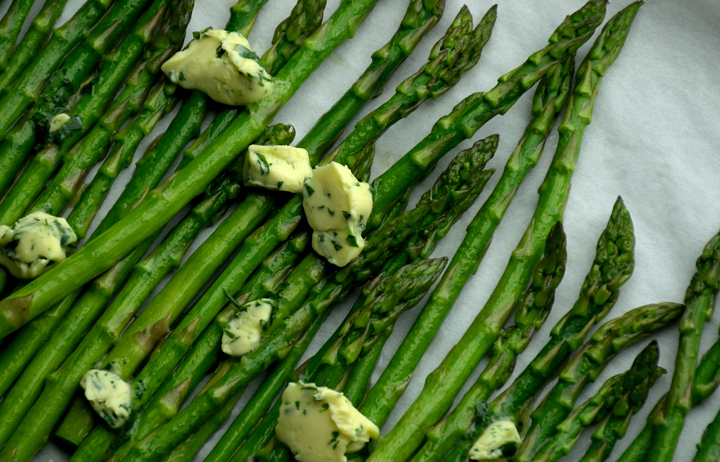
Or use the Garlic Butter with 10-Minute Roasted Asparagus.
There’s a wide selection of protein here too. The New Mediterranean Baked Chicken, a mélange of lemon and herb marinated chicken, tomatoes, artichoke hearts, olives, cannellini beans, mini-mozzarella, and herbs will satisfy everyone at the table. It’s all done on a baking sheet lined with parchment, and using Emilie’s’ do-ahead techniques, dinner will be on the table in about an hour.
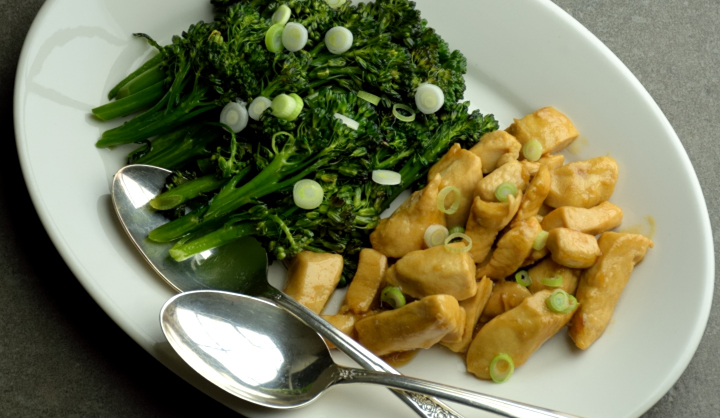
Like stir-fry? Quick Chicken Stir-Fry with Roasted Broccoli is easy. Just toss the broccoli with oil, and roast it in a hot oven for about 15 minutes. The thinly sliced chicken cooks up quickly in a skillet. With a cloak of pre-made Master Stir Fry Sauce it gets a tasty and fast finish. Heat up some pre-cooked brown rice, and dinner is ready.
With Emilie’s do-ahead prep techniques – pre-cut vegetables, compound butters, and batch-cooked grains and beans, and her innovative freezer marinades, the busy weeknight cook is half done before she even sets foot in the kitchen. This book presents a new answer to “What’s for dinner?”
For a taste of The Clever Cookbook, try this slow cooker braised chicken dish.
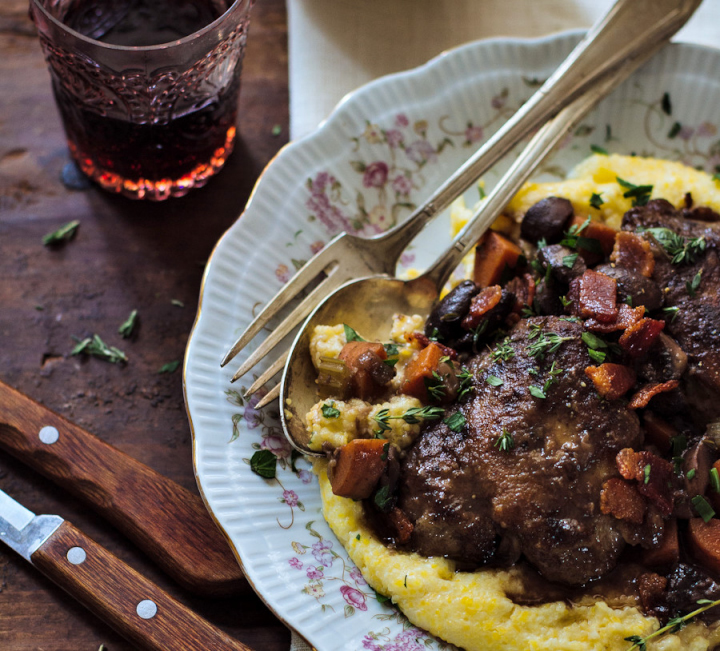
Braised Chicken with Red Wine & Mushrooms
My French grandmother’s classic coq au vin was to die for. She cooked it in an electric skillet, outside. You could smell the tantalizing aroma of red wine and garlic wafting throughout the entire neighborhood. My mom said this was why all the kids used to play at her house. Luckily, I inherited that electric skillet. But rather than babysitting (and sweating) over a hot pan, I’ve minimized the prep to make this recipe come together quickly: Simply sauté the bacon and chicken respectively, and then throw everything into the slow cooker with Pre-Chopped Vegetables. Serve with quick creamy polenta for the ultimate winter warmer.
SERVES 4-6
½ cup (63 g) flour
6-8 chicken thighs, bone-in, skinless
Coarse salt and freshly ground black pepper
1 tsp olive oil, plus more as needed
4 slices of bacon, cut into ½-inch (1.3-cm) pieces
1 cup (160 g) diced onion
½ cup (65 g) diced carrot
½ cup (50 g) diced celery
2 garlic cloves, smashed
4-6 sprigs of thyme
1 (10-oz [283-g]) box of baby portobello mushrooms
1 cup (237 ml) dry red wine
1 cup (237 ml) Triple-Duty Chicken Stock
2 tbsp (8 g) roughly chopped parsley
Quick Creamy Polenta
4 cups (946 ml) milk
Coarse salt
1 cup (160 g) instant polenta
1 tbsp (15 g) unsalted butter
Freshly ground pepper
To begin, add the flour to a large zip-top bag. Season the chicken with salt and pepper. Add the chicken to the bag and shake well to coat.
In a large, 12-inch (30-cm) skillet, warm the olive oil over medium-low heat. Cook the bacon until golden, about 5 minutes. Transfer to a paper towel-lined plate and set aside. Keep the drippings in the pan.
Place the chicken (meaty side down) in the skillet, shaking off any excess flour as you go. Brown the meat, about 2-3 minutes per side. Add more olive oil as needed.
To a 6-quart (6-L) slow cooker, add the onions, carrots, celery, garlic and thyme (see tip below for alternate cooking method). Using your hands, tear up the mushrooms and drop them directly into the pot; this method is much faster than slicing and adds great texture to the dish. Pour in the wine and chicken stock. Cook on high for about 3-4 hours or on low for 6 hours. Your chicken is ready when the meat is falling off the bone. Taste the sauce and season with salt and pepper.
About 30 minutes prior to serving, start your polenta. In a medium-size saucepan, bring the milk and a pinch of salt to a boil. Cook according to the package instructions. Remove the pot from the heat and add the butter. Season with salt and pepper. Keep covered until ready to use.
Portion the polenta into shallow bowls and top with your braised chicken. Sprinkle with the reserved bacon and chopped parsley. Don’t forget to take in the aroma before diving in—it will smell wonderful.
TIP: As an alternate cooking method, after browning chicken, add the ingredients to a large Dutch oven and braise at 350°F (177°C) for about 1½ hours or until tender.
Photograph of Braised Chicken with Red Wine & Mushrooms by Emilie Raffa
Recipe reprinted with the permission of the author.
Visit The Clever Carrot website.
To purchase a copy of The Clever Cookbook, click here.
Emilie, a mother, wife, and classically trained cook, is also a food writer, recipe developer, and food photographer. Her work has been featured in The Huffington Post, Food 52, Saveur, Food & Wine, Today Food, and in Artful Blogging magazine. She is co-editor of feed feed and was a finalist in the Saveur Food Blog Awards. The Clever Cookbook has just been named one of this spring’s most exciting new cookbooks by Epicurious.
Note: You can click on any picture to see a slide show!
The gift book is provided by Emilie Raffa. I only recommend products or services I use personally and believe will be of interest to my readers. I otherwise have no affiliation with any product, manufacturer, or site mentioned in this article.
AdriBarrCrocetti.com and The Clever Carrot are co-sponsors of this Giveaway.

- Hi Jean, I love polenta, and it would be great with coq au vin. I'm with you about freezing meat…
- Adri, it's been far too long since I've had polenta. Must make it next time I make coq au vin…
- I am very impressed by Emilie Raffa. The Speedy Salad-Stuffed Sweet Potatoes look awesome and the Rainbow Braised Carrots are…
- That looks fantastic. I'm becoming more of an enthusiast for all kinds of braised dishes these days, both meat and…
- I'm so glad comments are still welcome. Been away from blogging for awhile, so missed this post when it was…